
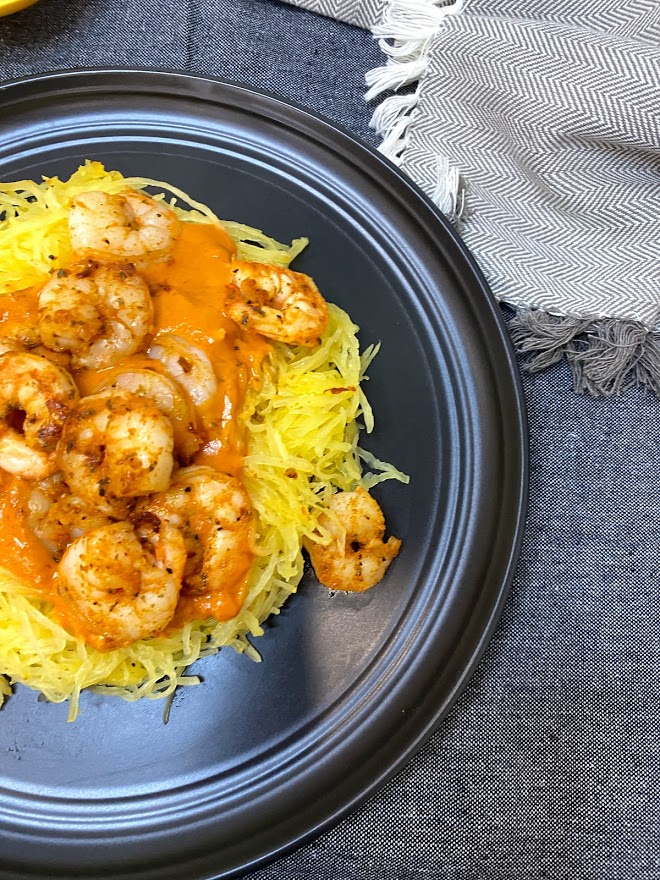
If you’re anything like me, you might have been skeptical about spaghetti squash and preferred sticking to traditional pasta. However, I had a revelation with this dish that completely changed my perspective. Not only did it introduce me to the wonders of spaghetti squash, but it also made me realize that I now prefer it over pasta (most of the time). For those who aren’t watching their carb intake, I highly recommend pairing this dish with my irresistible Cheese Garlic Bomb Bread.
Now, let’s explore the numerous benefits of incorporating spaghetti squash into your meals. Trust me, it’s worth giving it a try! I initially prepared this dish when I ventured into the world of the keto diet, aiming to reduce my carbohydrate intake. However, I soon discovered that spaghetti squash is a versatile option suitable for any diet, offering a variety of nutritional advantages.
First and foremost, spaghetti squash is significantly lower in carbs and calories compared to traditional pasta. This makes it an excellent choice for those managing their carbohydrate intake due to dietary preferences or specific health goals.
Additionally, spaghetti squash is packed with essential vitamins and minerals, including vitamin C, vitamin A, potassium, and dietary fiber. These nutrients contribute to a well-balanced diet and support overall health. The dietary fiber found in spaghetti squash aids digestion, promotes feelings of fullness, and assists in maintaining a healthy weight.
Preparing spaghetti squash is surprisingly simple. Here’s a quick guide on how to cook it:
- Preheat your oven to 400°F (200°C).
- Cut the spaghetti squash in half lengthwise and remove the seeds.
- Brush the inside with olive oil and season with salt and pepper.
- Place the halves face down on a baking sheet and roast for about 40-45 minutes or until the flesh is tender.
- Once cooked, use a fork to gently scrape the flesh, which will naturally separate into spaghetti-like strands.
Voila! You now have a delicious and nutritious pasta alternative ready to be enjoyed in various recipes.
So, don’t hesitate to embrace the health benefits of spaghetti squash. Give it a try and open yourself up to a whole new world of flavorful possibilities. Trust me, you won’t be disappointed!



Cooking Spaghetti Squash
Let’s master the art of preparing spaghetti squash together! Here’s a step-by-step guide for perfect results:
- Begin by cutting the spaghetti squash in half lengthwise. To make this task easier, choose a large, sharp knife and start cutting from the center, similar to cutting a pumpkin.
- Scoop out the seeds from the squash halves.
- Drizzle a little olive oil over the squash and sprinkle with salt and pepper. Be mindful not to over-salt, as excessive salt can draw out water and result in a soggy texture. Many people who have disliked spaghetti squash in the past may have experienced it when it was overcooked and turned mushy, resembling mashed potatoes.
- Line a baking pan with parchment paper and place the squash halves upside down, with the inner side facing down. To facilitate steam release, poke a few holes on the top of each squash half.
- Preheat your oven to 400°F (200°C) and bake the squash. The cooking time will vary based on the size of the squash. It’s best to slightly undercook it so that you can reheat or bake it later without losing its texture. Check the squash after around 30 minutes of cooking. It should be easy to pierce the top with a fork when it’s done. Even with larger squashes, I rarely cook them for more than 40 minutes.
- Once cooked, carefully remove the squash from the oven and turn it over to cool. Once it has cooled down, take a fork and scrape the insides of the squash, creating those familiar “spaghetti” strands.
Now that you have mastered the art of cooking spaghetti squash, let’s move on to creating a delicious sauce to complement it!
INGREDIENTS
- 1 tbsp Olive Oil
- 2 cloves Garlic Pressed
- 1 cup Heavy Cream
- 1 cup Tomato Sauce
- ¼ cup Parmesan Cheese
- Red Pepper Flakes, Salt and Pepper to taste
- 1 Spaghetti Squash
- 20 medium Shrimp Pealed and tail off
INSTRUCTIONS
Spaghetti Squash
- Preheat the oven to 400°F.
- Slice the spaghetti squash in half lengthwise and scoop out the seeds and ribbing. Drizzle the inside of the squash with olive oil and sprinkle with salt and pepper. NOTE: go light on the salt.
- Place the spaghetti squash cut side down on the baking sheet and use a fork to poke holes.
- Roast for 30 to 40 minutes or until lightly browned on the outside, fork tender, but still firm. The time will vary depending on the size of your squash so check after 30 minutes.
- Remove from the oven and flip the squash so that it’s cut side up. When cool to the touch, use a fork to scrape and fluff the strands from the sides of the squash.
Sauce & Shrimp
- While squash is cooking, put olive oil and pressed garlic in non-stick skillet on medium heat and stir until fragrant, about 1-2 minutes.
- Pour in cream, tomato sauce, parmesan cheese and season with a pinch of salt, pepper and red pepper flakes to taste. Bring all ingredients to a boil stirring constantly and then reduce to low and simmer. Note: the pepper flakes get spicier the longer you simmer so you may want to leave them out and just top the meal with them later.
- While sauce is simmering, peel shrimp, rinse and pat dry. Season shrimp with salt and pepper or spicy seafood seasoning if you want to turn up the heat.
- Heat a medium non-stick pan over medium high heat with a tbsp. of olive oil. Once pan is hot, place shrimp in pan.
- Once they start to change color and turn pink on the bottom, about 2 to 3 minutes, quickly flip them over. Finish cooking until the pieces are pink, opaque, and loosely curled, another 1 to 2 minutes/
- Stir cooked shrimp into the thickened sauce and turn heat all the way down until spaghettis squash is done.
- Once spaghettis squash is done cooking, let it cool for 5 minutes and then scrape spaghetti squash out on plate, top with sauce and serve hot.
NOTES
For the Tomato Sauce, you can used basic tomato sauce found in the can or you can use tomato pasta sauce. I personally like to use Ragu Simply Traditional Pasta Sauce with no sugar added.
 thefoodiefloridian
Leave a comment